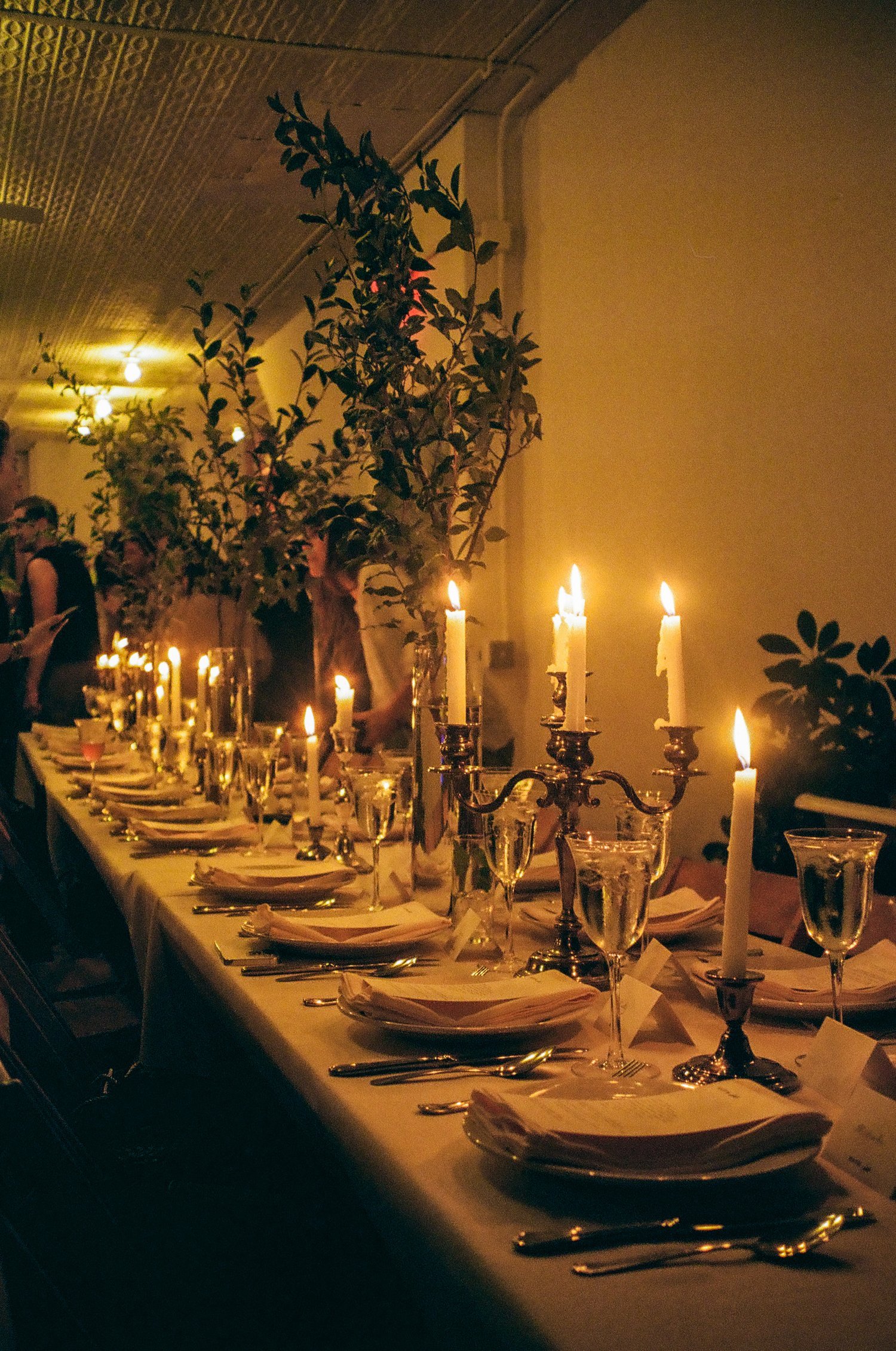
A dinner series gets interesting when it becomes familiar. People recognize the room, know roughly when to arrive and look forward to seeing who will be at the table. You do not need a different concept every month. A few constants give the evening its character.
Keep one thing fixed
Choose a recurring day, a shared dish or a loose point of connection between guests. That might be a monthly Sunday lunch, dinner after an exhibition or a table for people working in different disciplines. Keep the explanation short enough to fit in an invitation.
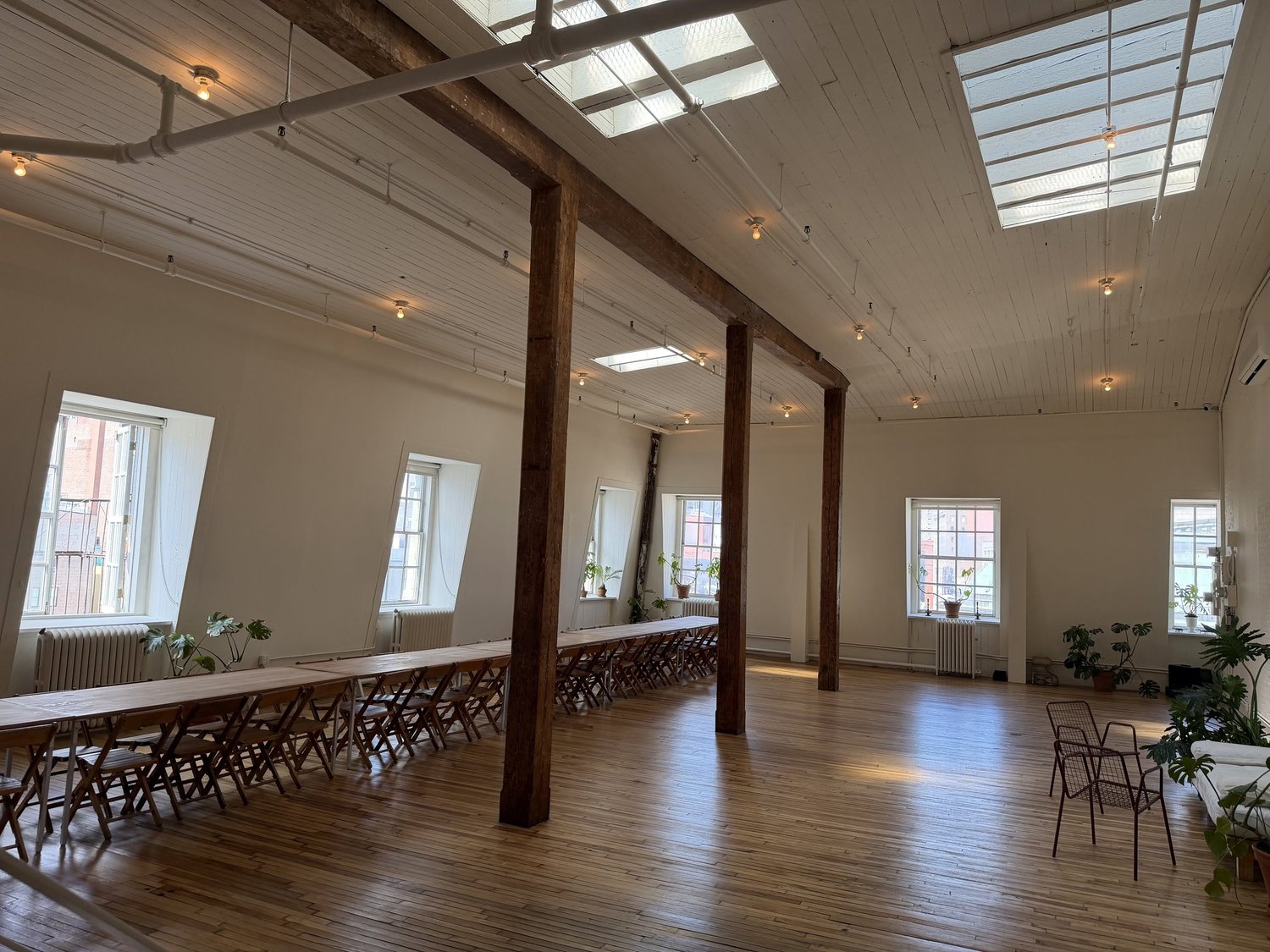
Start with a number you can host comfortably. Repeat guests create continuity; a few new people keep the conversation open. Invite people individually and be clear about whether a place is transferable. It is easier to introduce a small table thoughtfully than to spend the evening managing a list.
Design something repeatable
Use a menu structure that can change with the market: something to eat on arrival, a substantial main, two vegetables and dessert. Keep a record of quantities, serving dishes and what was left over. After the second or third dinner, this becomes much more useful than a fresh mood board.

Leave room for the evening
One short welcome is usually enough. A dinner does not need a program running alongside it. Give people a reason to gather, then let the table do its work. At the end, write down what you would repeat, what you would simplify and whom you would like to invite next.
A recurring room can help establish that rhythm. Confirm the dates and practical arrangements individually rather than assuming last month’s setup automatically carries over.