
Restaurant supplies make more sense when you shop with an evening in mind. Start with a menu and imagine each dish leaving the kitchen. What carries it, what serves it and where does the empty vessel go? That exercise produces a better shopping list than a general intention to equip a kitchen.
Follow the food
Shared salad needs a wide enough bowl and two utensils. A sauce needs its own spoon. Bread needs a basket, plate or clean cloth-lined tray. Dessert may require a different size of spoon from the one you already have. Write down each serving piece next to the dish that uses it.
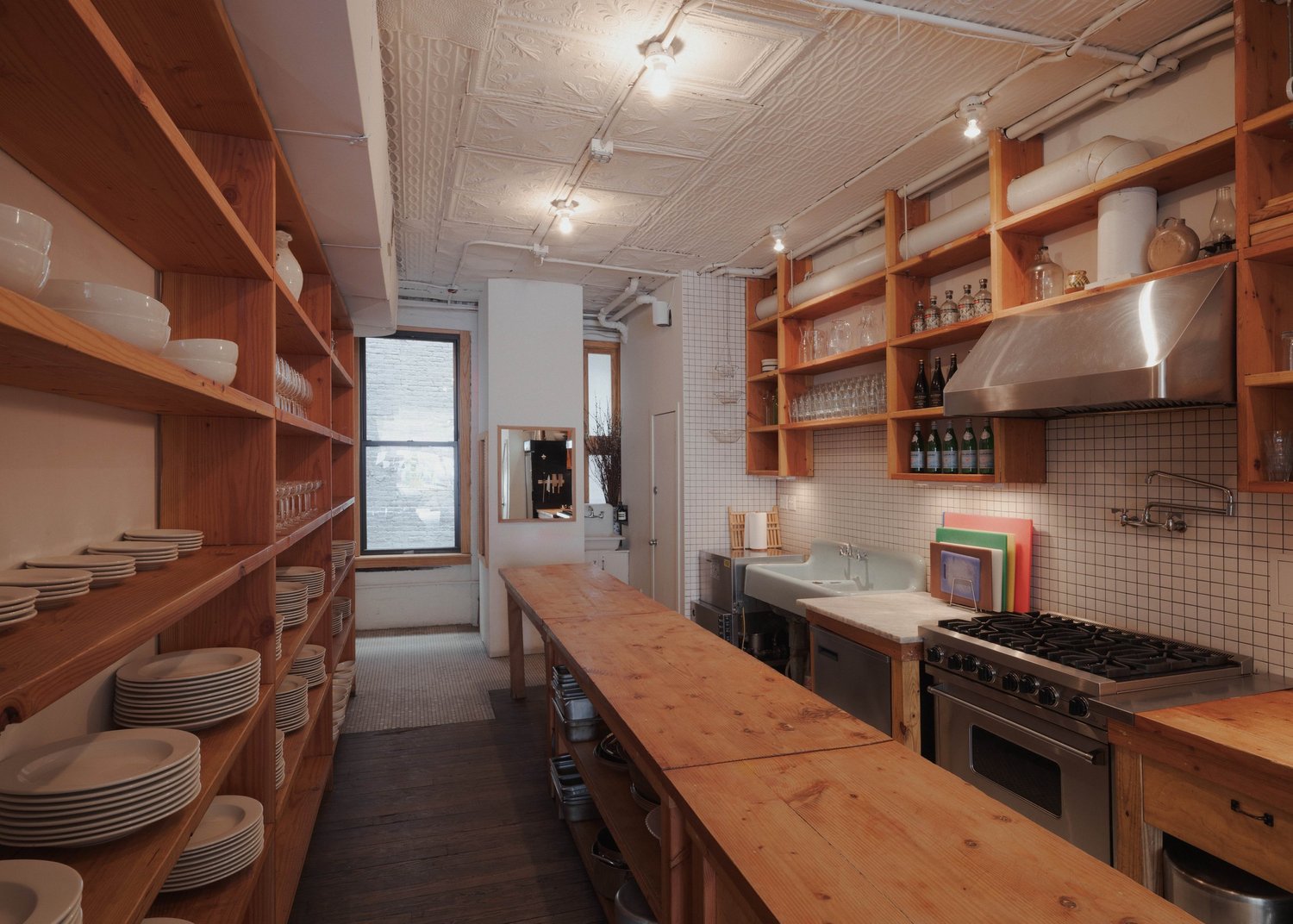
Then follow the drinks. Count water vessels, ice buckets, trays and the glasses you expect to have in circulation. A drinks station works better when the person replenishing it has a clear place to put everything.
Take measurements with you
A tray is only useful if it fits the shelf, refrigerator or washing area where it needs to go. Photograph those spaces and bring a tape measure. Look for pieces that stack without wobbling and are comfortable to lift when full.
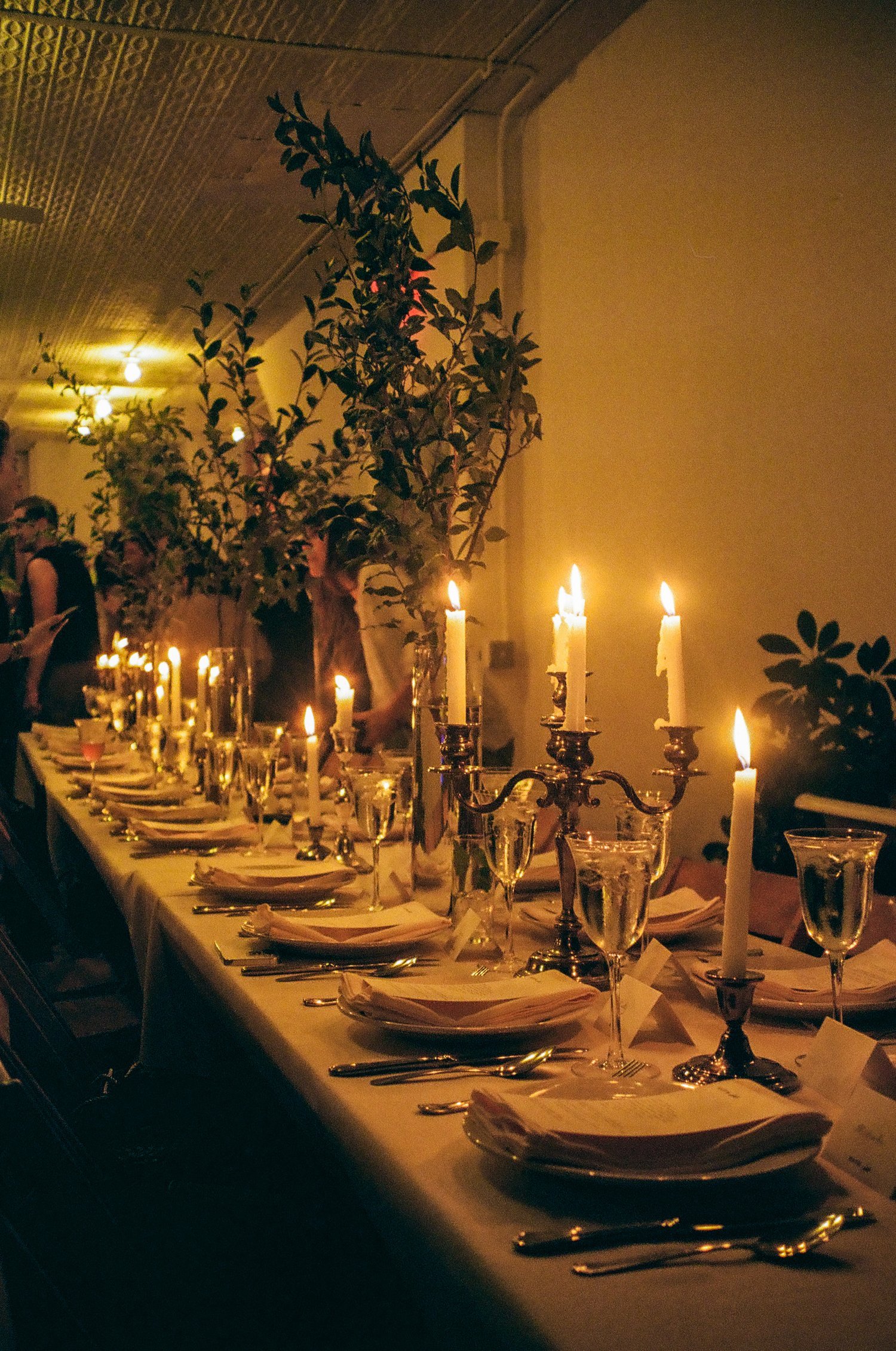
BALTER SALES at 209 BOWERY is one verified starting point for tabletop and equipment. Check individual suppliers’ current locations and stock before making a longer circuit.
Buy the missing piece
For a dinner in an equipped private dining room, ask for the inventory first. A useful purchase might be four serving spoons rather than forty plates. Keep the list focused on what the room and menu actually need, and leave the rest of the shelf for another day.