The last hour before a dinner is a good time to stop adding things. Most guests will remember whether they felt comfortable, whether there was something to drink and whether you were pleased to see them. A short, practical sequence helps make room for that.
One hour before
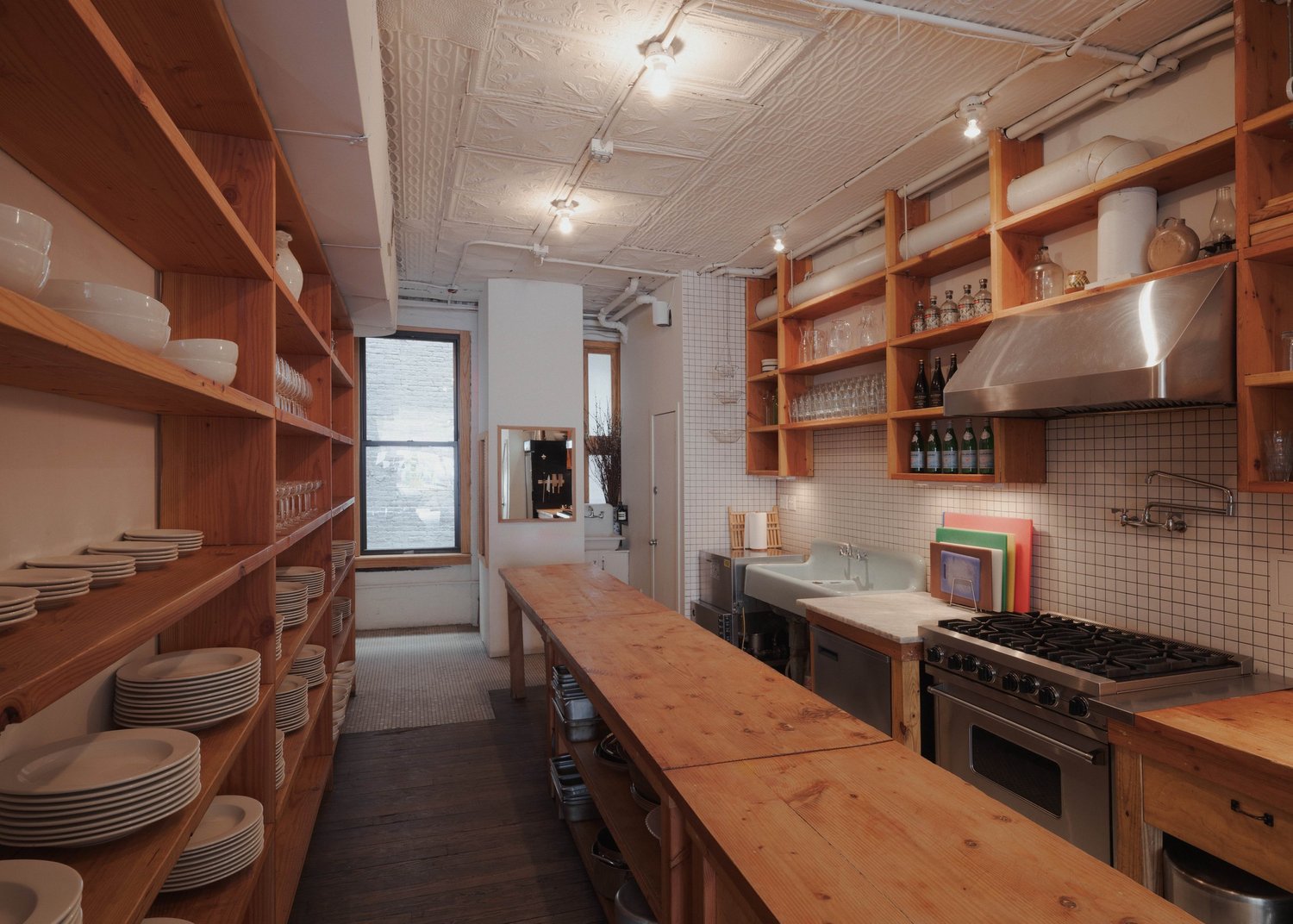
Walk through the room with the person helping you. Check the table, bathrooms, coat area and route from the entrance. Put serving dishes and utensils where the food will be prepared. A small note in each empty dish can prevent the last-minute search for a platter.
Thirty minutes before
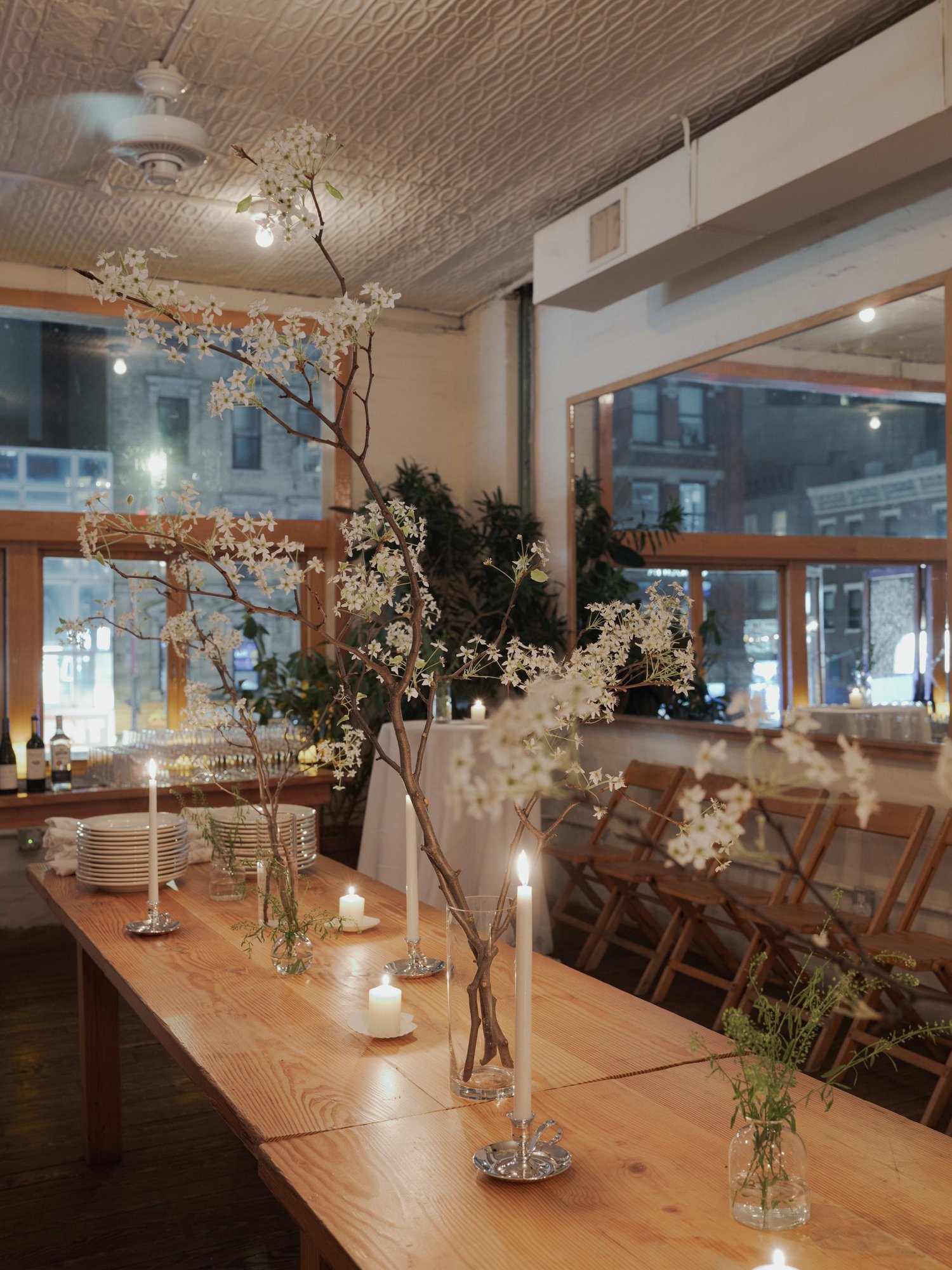
Set the light for dinner rather than for cleaning. Start the music and listen from a chair, not beside the speaker. Put out water and whatever can sensibly be ready for arrivals. Clear packaging, spare bags and cleaning supplies from the guest areas.
Check with the cook about the first course and the point at which guests need to sit. Agree on one person who will pass timing information to the kitchen. Several well-meaning messengers can create more confusion than a late guest.

Ten minutes before
Change, wash your hands and put your phone somewhere accessible but out of your hand. Have a drink of water. Decide who greets people and who handles the practical interruptions. If you are doing both, simplify what is being served on arrival.
Leave a little room in the schedule. Someone will arrive early, someone will need directions and someone will want to tell you a story at exactly the wrong moment. Being ready enough is more useful than perfecting a detail nobody will notice.